



Technical cookies are absolutely essential for the website to work properly. This category only includes cookies that guarantee the basic functions and security functions of the website. These cookies do not store any personal information.
Rigging design, technical coordination and safety with no surprises
At Volàtil Rigging, we believe in clear communication from the first contact. That’s why we prioritise organised communication (especially via email), clearly define the scope of the setup and approach rigging thoughtfully to ensure the project is viable, safe and executable within the actual production timeframe.
A process designed for production
(and for the artist)
When rigging is involved, the questions are usually the same: "can it be done?", "when can we rig it?", "what do you need for a quote?" and "what about certification?". Our process is designed to answer these questions quickly and with useful information.
Project phases (step by step)
01
First contact: idea or technical need
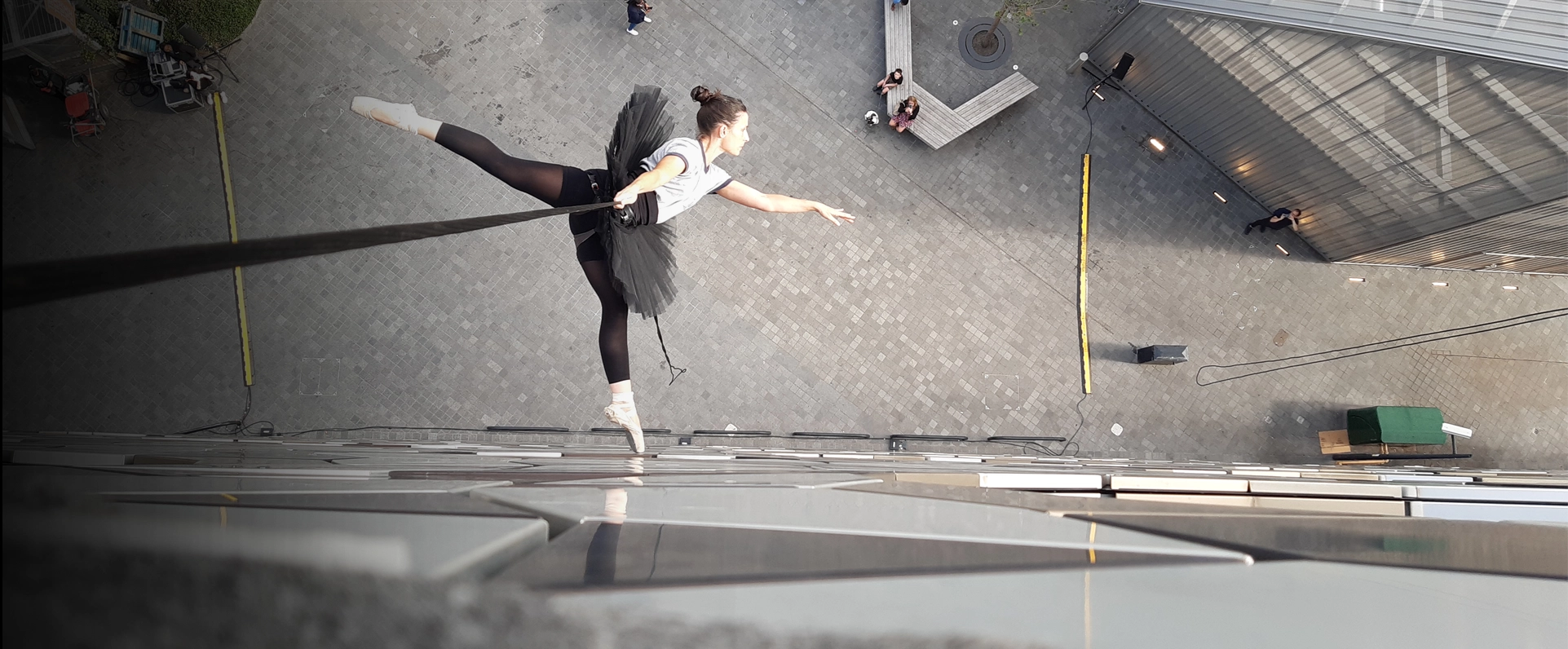
You write to us (ideally by email) explaining what needs to be done: flying effects / acrobatic rigging, scenic rigging for a production, or a fixed aerial installation. If it is a creative project, focus on the idea and the effect; if it is technical, on the plan and the objective.
02
Information gathering
(to make the work viable)
We ask for the minimum needed to properly size the project: plans or sketches, schedule, technical requirements…
03
Technical visit or video call
(when needed)
Often plans, photos and video are enough. If the complexity requires it (unique space, special loads, permits), we do a technical visit or video call to agree on criteria.
04
Custom quote
We do not work with fixed packages because every setup is different. The quote includes whatever is needed for the case: personnel, equipment, certifications…
05
Rigging design and technical proposal
This is where we turn the idea into a real solution: we define points, runs, loads and setup methodology. If needed, we propose alternatives so the result is spectacular but also executable within the space and schedule.
06
Setup and checks
We set up with enough time to check everything. We carry out checks and adjustments before rehearsals start, doors open or a shoot begins. The aim is to avoid improvisation once the project is under way.
07
Execution / live support
When the rigging is an active part of the performance or shoot, we operate and assist the artist and production so the action is safe and repeatable.
08
Dismantling or project closure
For temporary setups: dismantling and restoration of the space. For fixed installations: closure with the final documentation (plans, materials and certification where applicable).
Safety and documentation: what we do and when we do it
Integrated technical coordination
Safety is not an add-on: it is the criterion that underpins the project. That is why:
When the project requires it (especially in public environments or when explicitly requested), we incorporate calculation and certification with engineering support, and prepare the necessary documentation.
- We review equipment before and after every job and carry out a thorough annual inspection with records
- We verify the setup before putting it into service
- We work with an engineering firm when needed to provide calculations and certification
Many projects are not just technical, so we place special emphasis on coordination. That is why we work closely with:
- Production and technical direction teams, to adapt the rigging to the schedule, rehearsals and production changes
- Technical service companies and setup crews (lighting, sound, video and set design), to organise points, loads and setup/dismantling times
- Our own work team: people are key throughout the process, and we make sure everyone involved works in a coordinated way
We work for:
Festivals and fairs, theatres and auditoriums,
audiovisual and advertising producers,
technical service companies...
You might also be interested in:
Tell us what you want to do or what you need to rig.
We help you assess feasibility and turn the idea into a safe, tailored solution.
Let's talk about your project